Efficiency Vermont announced 2026 rebates that pay up to 90% cash-back on weatherization projects, a limited-time boost from the Vermont Department of Public Service running through the end of 2026. Window upgrades ride into the same envelope visit, where 22% propane-heated and 17% oil-heated homes meet 7,500+ heating degree days. Tighter glazing on Vermont's high delivered-fuel prices earns back its keep every cold front.

Vermont residential propane ran ~$2.85/gallon in 2010 and is sitting at $3.45/gallon by 2025. The state burns propane in 22% of homes and oil in another 17%, the highest combined delivered-fuel exposure in the country. Electric supply rates climbed alongside, with Green Mountain Power, VEC, and BED all filing increases. Windows cut your heating-fuel usage 15-30% on day one, so your tank fills less often before the next price climb compounds.
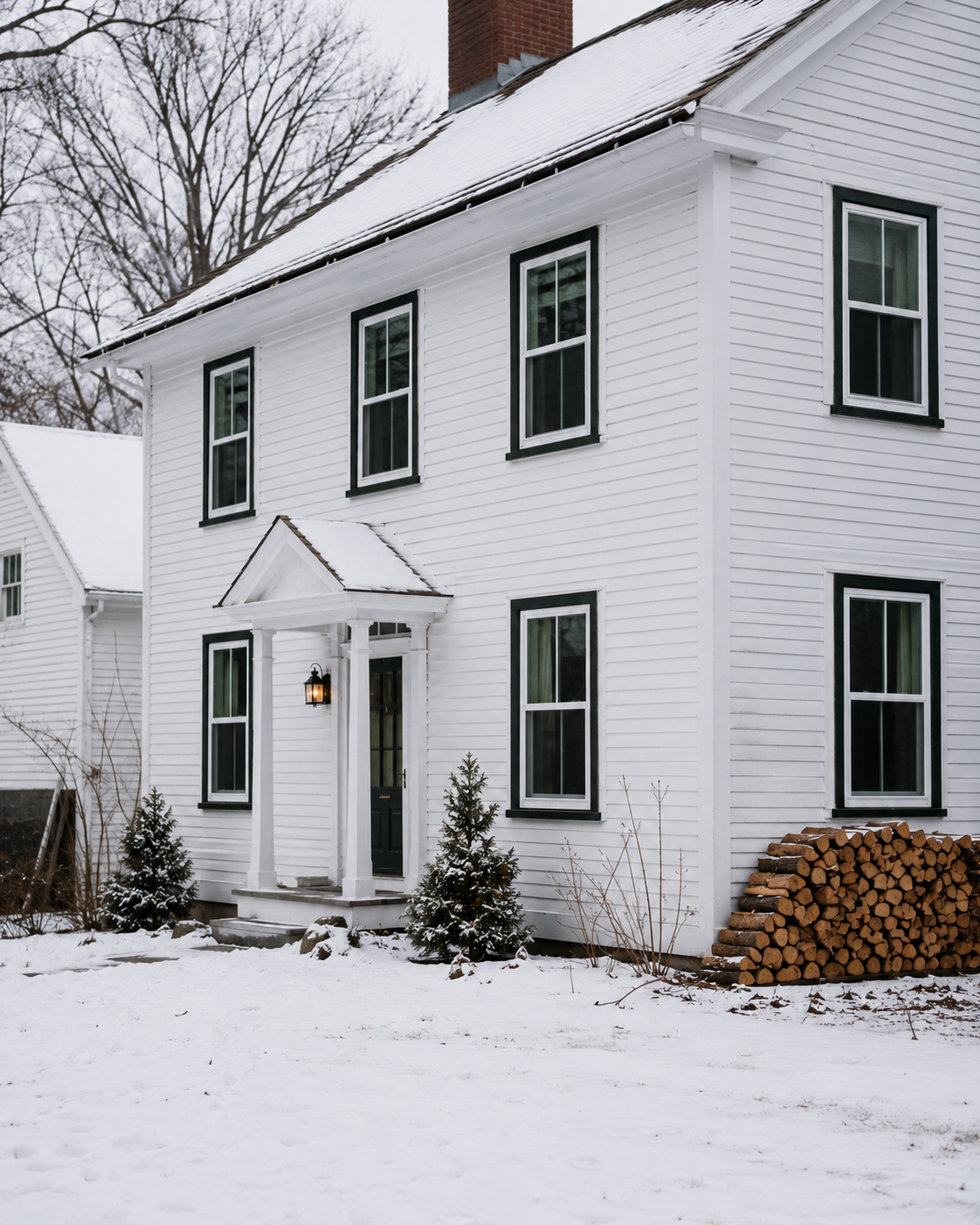
Take a 1,850 sq ft 1962 colonial-farmhouse in Chittenden County, propane-heated with mini-split AC, with thirteen original wood-sash and 1990s aluminum-frame windows. Annual propane + electric bills run ~$3,300. The owner books an Efficiency Vermont Home Energy Visit, which under the 2026 90% cash-back window covers a deep envelope project alongside the window upgrade. Annual heating + cooling drops 23%, comfort improvements arrive the first cold night, and the project earns back propane deliveries for 25-30 years.
See the pieces of the stackEfficiency Vermont's 2026 weatherization rebates are paying up to 90% cash-back, a limited-time DPS-funded push that compresses the envelope payback dramatically. Bundle a window upgrade into the same Home Energy Visit, and you ride that boost while it lasts. After 2026, the rebate level returns to standard tiers, the propane bills don't.
A Vermont windows project earns through three working channels: Efficiency Vermont's limited-time 90% weatherization cash-back, ongoing propane + electric bill reductions across a 7-month heating season, and the comfort + property-value lift that arrives the first cold night.
A typical Vermont windows project runs 8–11 weeks from the Efficiency Vermont visit to commissioning, with bundled weatherization happening in the middle. To capture the 90% 2026 boost, the project should close out before the end of the program year.
Actual questions that come up in the first installer conversation, answered for a typical Vermont homeowner in 2026.
Yes. Efficiency Vermont announced its 2026 rebates with a temporary boost funded by the Vermont Department of Public Service, raising weatherization cash-back to up to 90% through the end of 2026. The catch: it's a limited-time program (funding window), so capturing it requires booking the Home Energy Visit, signing the scope, and getting the work close-out filed within the program year. After 2026, the rebate level reverts to standard tiers.
The cash-back is structured around weatherization work, air sealing and insulation, which is what the program is set up to incentivize. Where a window upgrade is part of the same envelope scope written by the Home Energy Visit, it rides into the project and benefits from the tightened envelope (your new windows perform better when the rest of the house isn't leaking). The dollar value to the homeowner is the combination: the cash-backed envelope plus the ongoing fuel-bill reduction across the 25-30 year window life.
0.22 or lower for ENERGY STAR Most Efficient in Vermont's climate zone (mostly 6A, with parts of the NEK touching 7). Triple-pane is worth considering for north faces and high-elevation sites, where the U-value drops to ~0.16-0.19. Check the NFRC label on each window for U-factor, SHGC (Vermont wants this moderate-to-high at 0.30-0.40 for passive solar gain), and air leakage.
Yes. Efficiency Vermont operates statewide as Vermont's energy efficiency utility, with deliverables coordinated through Green Mountain Power, Vermont Electric Co-op, Burlington Electric Department, and Stowe Electric customer accounts. The Home Energy Visit and the 2026 weatherization cash-back are available regardless of which electric utility serves your home; funding comes from the Energy Efficiency Charge on utility bills plus the 2026 DPS boost.
Three additional levers: (1) Vermont burns propane in 22% of homes and oil in 17% (combined ~39% delivered-fuel), so every gallon you don't buy is real cash; (2) heat-pump electric load drops too, since the new windows shed less heat into the cold air the mini-splits work against; (3) noise, condensation, and resale-value benefits arrive on day one and compound for the life of the windows.
For some Vermont homes, yes. If your wood-sash originals are still operable and the wood is sound, a quality interior storm panel (Indow, Innerglass) or low-E exterior storm can deliver double-pane-equivalent performance without touching the original character. This is often right on antique homes in places like Woodstock, Manchester, or Bennington where the windows are part of the architecture. The Score weighs storm-versus-replace based on the condition of your existing units.
Looking for the same kind of program in another state, or a different program in yours? Tap any pill to jump.
Your Home Efficiency Score counts your single-pane windows, runs the Efficiency Vermont 2026 cash-back math, and shows your real propane + electric bill drop based on your utility, fuel supplier, and house size.
Get my report