Most companies hand every homeowner the same playbook, insulate first, then heat pumps, then solar. We don't. The Home Efficiency Score reads your house and points to the upgrade that moves your Score the most for the dollars you spend.
Before any contractor crosses your threshold, the Score has already pulled the data that actually matters, what your home is, what it costs to run, what your roof sees, and what your utility will pay for upgrades this month.
The recommendation that comes out the other side isn't a generic checklist. It's the one upgrade (or stack of upgrades) where the math, the climate, and the rebate calendar all line up at the same time.
You'll see the same advice from the rest of the industry: do the envelope first, then mechanicals, then generation. It sounds reasonable. It's also wrong as often as it's right.
A leaky 1880s Brooklyn brownstone with $0.34/kWh ConEd rates and a flat tarred roof needs a completely different first move than a tight 2015 build in Newark with a 30-year mortgage and a south-facing roof. The Score sees that. A formula doesn't.
Whatever the data says is the highest-ROI move for your house, that's what shows up at the top of your report. Even when it's the upgrade we make less margin on. Even when it contradicts the “right way” everyone else preaches.
Below are four composite homes, each based on the actual housing stock, climate, and rebate landscape we see every week. Notice how the top recommendation never repeats.
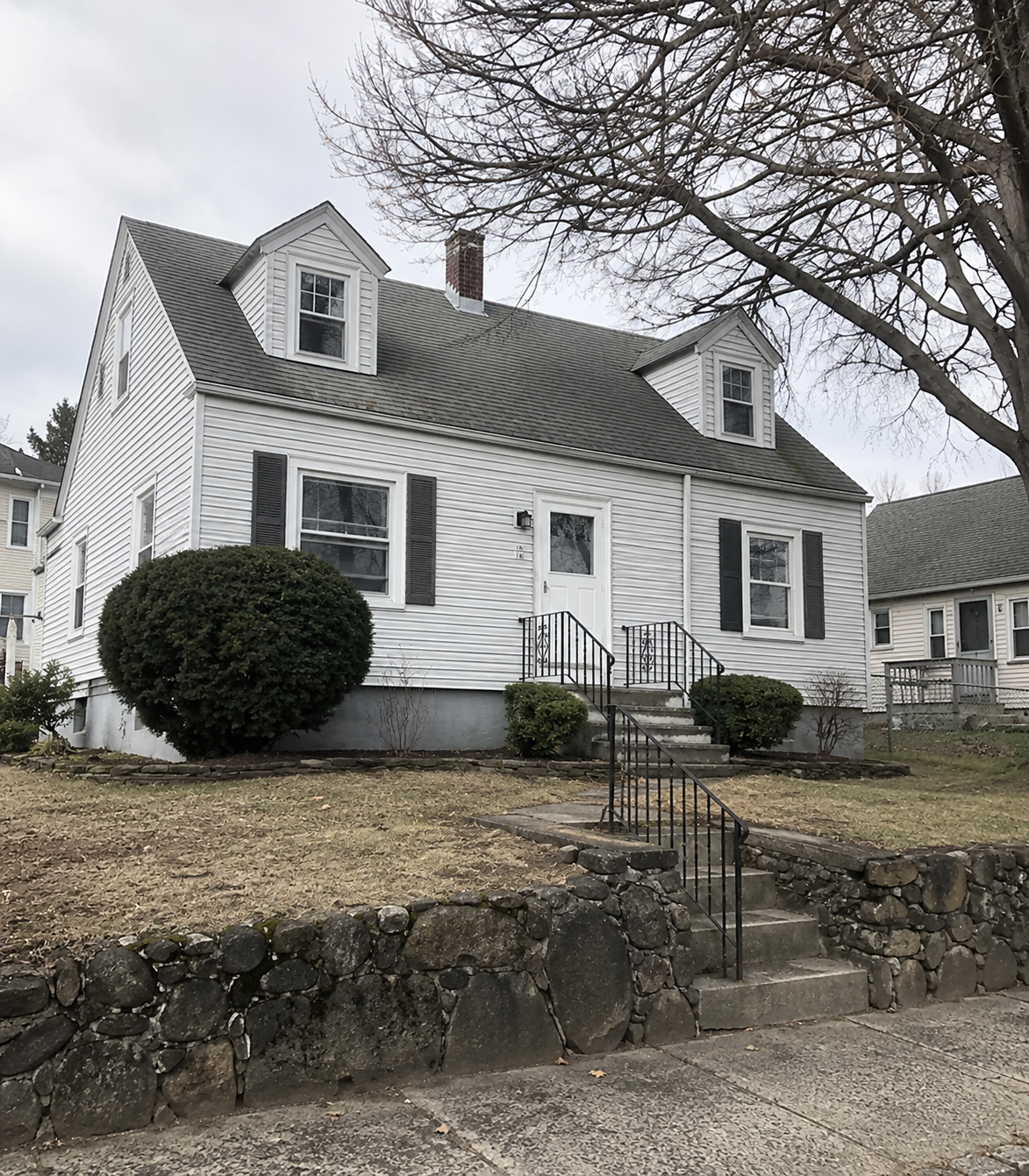
Blower-door reads 7.8 ACH50 (terrible). Attic R-11. Original 1962 oil furnace at 76% AFUE burning 800+ gallons a winter. South-facing roof but deeply shaded by mature oaks. MassSave covers 100% of weatherization up to $10,000.
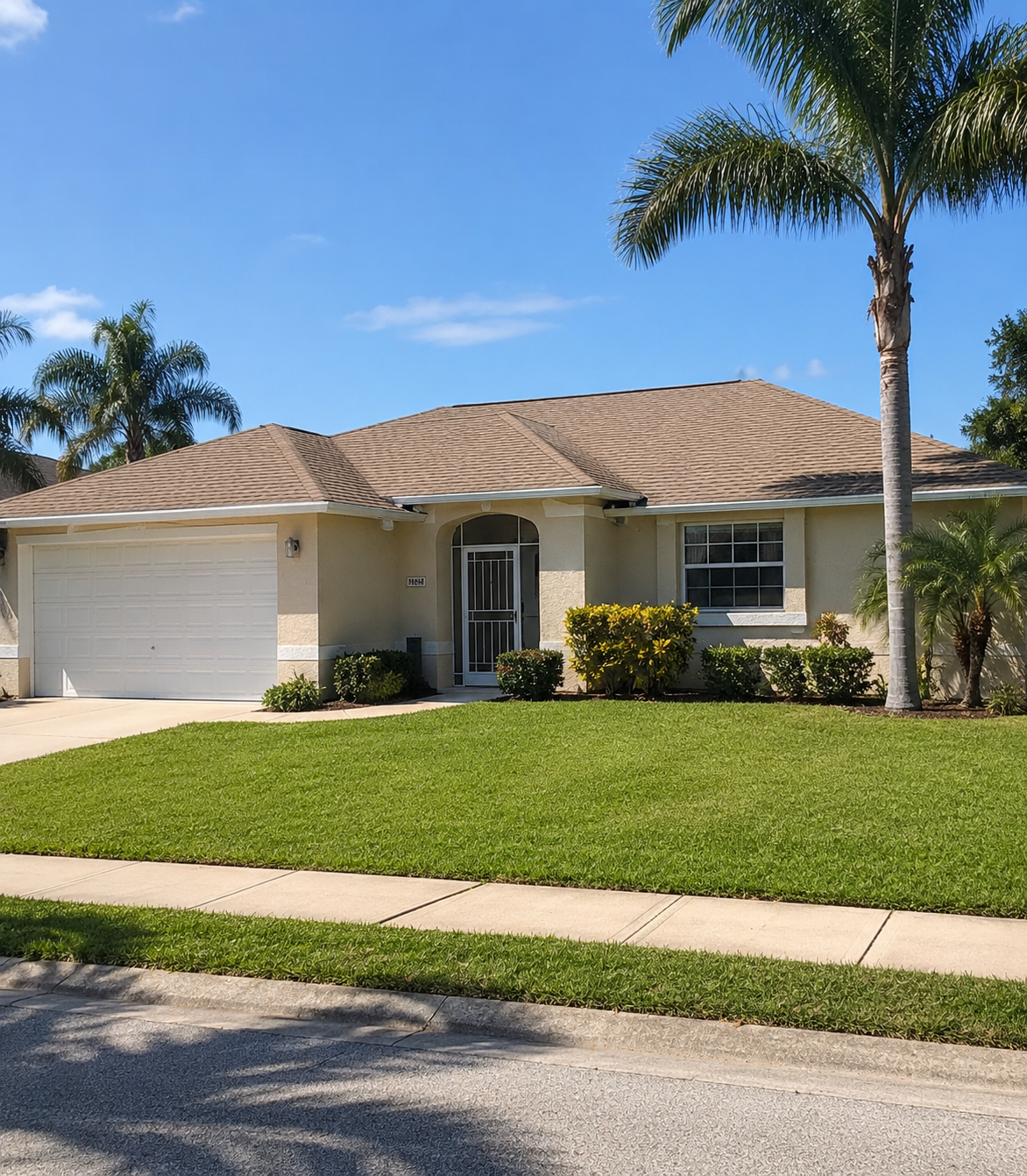
Decent envelope (4.2 ACH50), R-30 attic, 14 SEER central AC running 9 months a year. Big unshaded south-facing roof with 25° pitch, basically built for solar. FL has no solar income tax, 100% sales-tax exemption, and a lifetime property-tax exemption on the added home value.

Plaster-on-brick walls (impossible to dense-pack without a major rip-out), single-pane sash windows the landmark commission won't let you replace, gas-fired steam radiators. Roof is flat and gets full sun. ConEd electric is among the highest in the country. NY-Sun + 25% state solar tax credit + 30% federal.
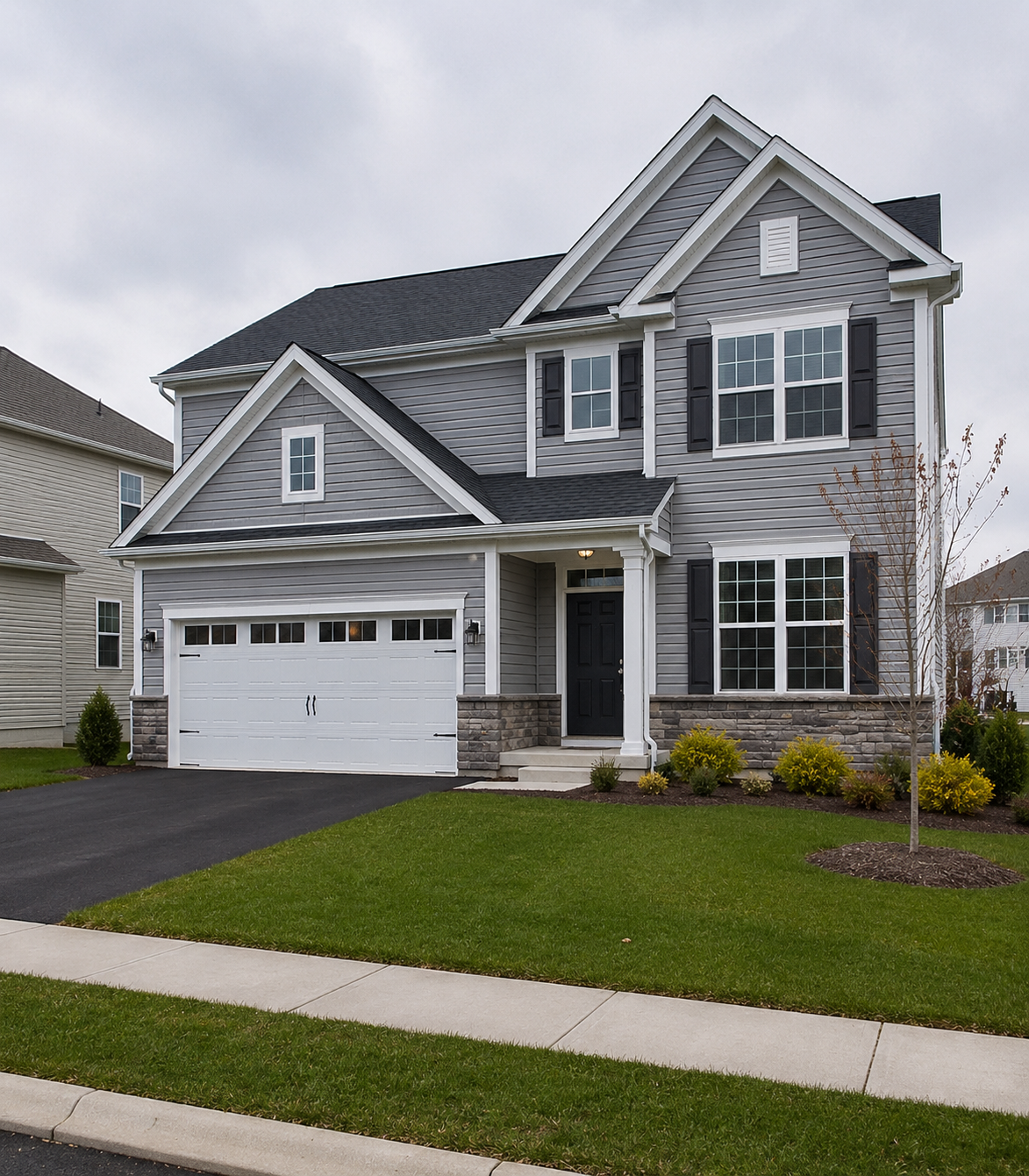
Code-built envelope (2.1 ACH50, R-49 attic), 92% AFUE gas furnace, 16 SEER AC. Already efficient, the gains from another inch of insulation are tiny. Gas furnace is mid-life. NJ Whole House offers $7,500 toward heat-pump conversion, plus federal 25C credits.
When you generate your Home Efficiency Score, you don't get a pamphlet of generic tips. You get a ranked list, specific to your address, that shows:
Each upgrade ranked by Score lift ÷ payback. The math is transparent. You see how much each move lifts your grade, every rebate it qualifies for, and how long it takes to recoup through bills and benefits.
Sometimes the top move is insulation. Sometimes it's solar. Sometimes it's swapping a 25-year-old furnace for a heat pump and skipping the rest. The Score decides, your house tells it what to say.
And because we're not paid by any single contractor or manufacturer, there's no incentive to push a particular product. The recommendation is just the math.
Ten minutes, no installer in your living room. Get the ranked list of upgrades the Score recommends for your specific address, with current rebates already calculated in.
Get my report